Field Notes · Painting Guides · May 21, 2026 · 5 min read
How Long Does Exterior Paint Last in Arkansas?
The national average lifespan for exterior paint is often quoted at 5 to 10 years. In Arkansas, that range compresses — especially on homes with south and west-...
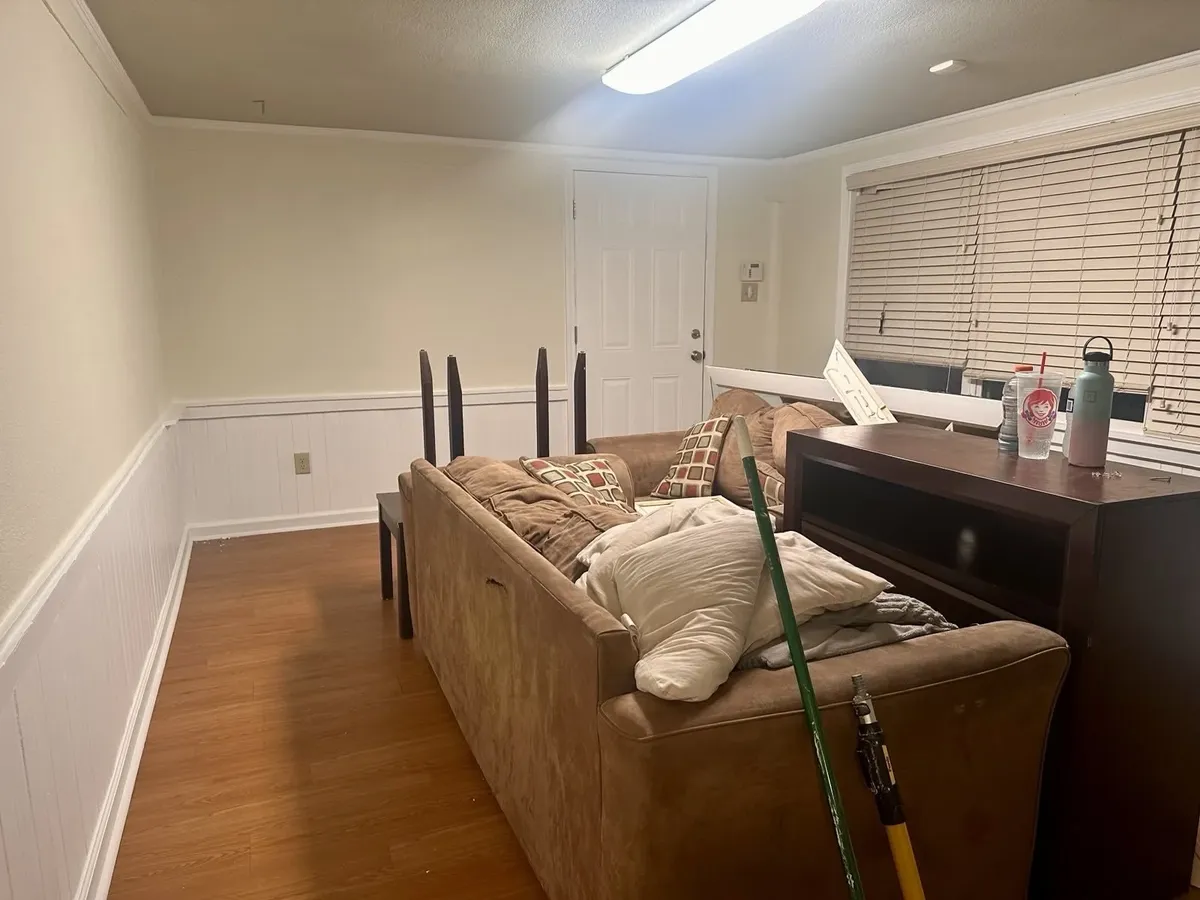
The national average lifespan for exterior paint is often quoted at 5 to 10 years. In Arkansas, that range compresses — especially on homes with south and west-facing walls, homes near the Arkansas River, and homes that were painted with builder-grade or mid-grade products.
Here is the real picture for Central Arkansas.
What Makes Arkansas Hard on Exterior Paint
Arkansas is not a gentle climate for painted surfaces. It layers several damaging factors on top of each other.
Humidity is consistent and often high. The Arkansas River and its tributary systems push moisture into the air across the entire Central Arkansas region. That moisture gets into wood siding that is not properly sealed, lifts paint from the surface, and creates the damp conditions that mildew needs to take hold. Homes in Maumelle, Riverdale, and the Argenta area of North Little Rock see this more than homes further inland.
UV intensity is significant. Arkansas summers are long and the sun is direct. UV radiation breaks down the pigment and the binder in paint film, causing fading and chalking. South-facing and west-facing walls get the most exposure and almost always show wear first.
Temperature swings are wider than most people account for. The difference between a January low and an August high in Central Arkansas can be 100 degrees or more. Paint expands and contracts with the substrate through every one of those cycles. Cheap paint cracks and pulls away from the surface under that stress. Flexible, high-quality formulas hold up significantly better.
Mildew is the fourth factor and it is everywhere. Shaded north-facing walls, surfaces near water, and homes under heavy tree cover all battle mildew. Mildew does not just look bad — it physically degrades the paint film over time.
What to Expect by Paint Grade in Arkansas Conditions
The gap between budget and premium paint performance is wider in Arkansas than in more temperate climates. The stress this climate puts on a paint film exposes weaknesses that might not show up in a milder environment.
| Paint Grade | Product Examples | Expected Lifespan in Arkansas |
|---|---|---|
| Budget / contractor grade | Generic big-box paint | 2 – 4 years |
| Mid-grade acrylic | Sherwin-Williams SuperPaint, Benjamin Moore Regal Select | 4 – 6 years |
| Premium acrylic | Sherwin-Williams Duration | 7 – 10 years |
| Ultra-premium acrylic | Sherwin-Williams Emerald, Benjamin Moore Aura | 10 – 15 years |
These numbers assume a properly prepped surface. Paint applied over inadequate prep — dirty surfaces, unpainted bare wood, no primer — underperforms regardless of the brand. A $90-per-gallon paint applied over insufficient prep will fail faster than a $45-per-gallon paint applied correctly.
Why Prep Extends Paint Life More Than Any Other Factor
The most important thing any painter does on an exterior job has nothing to do with paint. It is the prep.
Pressure washing removes the dirt, mildew, and loose material that would otherwise sit between the old surface and the new paint. You cannot paint over contamination and expect good adhesion.
Caulking every gap at window frames, door frames, trim joints, and penetrations is what keeps water out of the wall cavity. Water behind the siding is what causes wood rot, paint failure from the inside out, and the peeling that comes back year after year on older homes.
Spot priming bare wood seals the exposed substrate and gives the finish coat a solid bond. Wood that is not primed before the finish coat absorbs moisture unevenly and the paint film fails at those spots first.
Our exterior painting process [blocked] always includes all of these steps. They are not optional extras — they are what makes the finish last.
Signs It Is Time to Repaint
Chalking. Run your hand along the siding. If you get a white or pale powdery residue on your palm, the paint film is oxidizing. It is doing its job of breaking down rather than letting UV damage the wood, but it means the protective layer is running out. Time to repaint.
Checking or cracking. Fine hairline cracks or a pattern that looks like alligator skin in the paint film means the paint has lost flexibility and is no longer moving with the substrate. Water gets into those cracks and behind the paint, and peeling follows.
Fading. Uneven fading — south and west walls significantly lighter than north and east walls — means the pigment is depleted. The paint is not providing the same color or UV protection it was at the start.
Mildew. Black or gray staining in a pattern that returns after cleaning, especially on north-facing or shaded surfaces, means mildew is in the paint film. Cleaning removes it temporarily; a fresh properly prepared and mildewcide-treated surface removes it for years.
Peeling. If paint is lifting or peeling in sheets, the bond between the paint and the substrate has failed. This is the latest stage of failure and typically means a more involved prep job before the next coat can go on.
The earlier you catch the signs, the less prep work the next paint job requires. Waiting until paint is peeling always costs more than catching it at the chalking stage.
Contact us for a free walkthrough and fixed bid. [blocked] We will tell you honestly where your exterior stands and what it needs.
Keep reading
Cheap vs. Expensive Paint: The Truth Behind Home Depot, Sherwin-Williams, and Benjamin Moore
Why does one gallon of paint cost $25 and another cost $90? It comes down to coverage, durability, finish, washability, and VOCs — and the real cost of cheap paint shows up two years later.
Why is Interior and Exterior House Painting so Expensive?
An honest, line-by-line breakdown of what your painting bid is actually paying for — prep, expertise, premium materials, fair labor, insurance, and the overhead of running a business that shows up.